
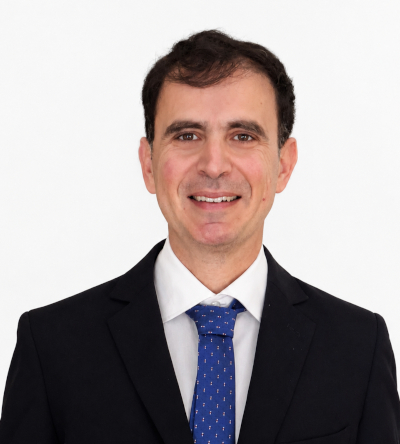
experimental psychologist / machine learner
My interest in science began in childhood, when I started collecting fossils and minerals and reading books on animal behavior. The transition from ethology to human behavior was quite natural, leading me to earn a degree in experimental psychology, followed by a PhD in general and experimental psychology and a master’s degree in machine learning and big data. I have worked as a researcher at several European institutions, focusing on multisensory and haptic perception.

My research focuses on understanding how we perceive and interact with sensory stimuli. In particular, I am interested in multisensory perception, haptic perception, and neurorehabilitation. I use a range of research methodologies, including psychophysics, electrophysiology (EEG, EMG), and machine learning.
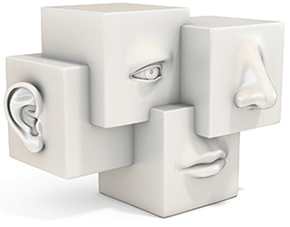
We perceive and interact with the environment thanks to different senses that allow us to experience different aspects of the world. Our brain effortlessly merges information coming from the various senses but the underlying neural computations and networks are rather complex. In my research, I investigate how the perception of one sensory modality (e.g., vision) is influenced by a concurrent stimulation in another sensory modality (e.g., audition) using psychophysical [e.g., refs 3, 4, 7, 8] and brain stimulation methods [ref 6]. In another line of research, I studied how the loss of one sense (i.e., vision, as in blindness) influences another sense (i.e., touch) and the way we manipulate objects [ref 22].
We use active touch to explore and recognize objects. This behavior becomes essential in visual impairments, such as blindness, as vision cannot longer be used to acquire information about the environment. I collaborated in the development of a pin-array matrix to show graphical information to blind persons through touch (check this video). We showed that blind persons can take advantage of pin-array matrices to enhance their spatial skills in both educational [refs 10, 13, 16] and orientation & mobility contexts [refs 11, 15]. In another line of research, I used iCube, a small cube that allows, when manipulated, to measure haptic and kinesthetics information. We showed how haptic object exploration varies based on the spatial skills of the explorer [ref 20].
Quantitative measurement is essential in experimental psychology and neuroscience as well as in other scientific fields. I am interested in applying state-of-the-art data analysis tools as well as machine learning and AI techniques. In my most recent project, I have applied advanced machine learning methods to predict and classify cancer type based solely on somatic mutation profiles (check here for more info). I would be enthusiastic to consider collaboration opportunities in which these techniques could be proficiently used to tackle cognitive or clinical neuroscience issues.

Please click here for the full CV .

© Fabrizio Leo, 2003-2026. This material is presented to ensure timely dissemination of scholarly and technical work. Copyright and all rights therein are retained by authors or by other copyright holders.
All persons copying this information are expected to adhere to the terms and constraints invoked by each author's copyright. In most cases, these works may not be reposted without the explicit permission of the copyright holder such as IEEE's, ACM's, Springer or Elsevier's.
Appropriate credit must be given as to its source and authorship. The following links open in a new

In my free time, I enjoy traveling and taking photographs. Here, I present only a small selection of my work. To see more, follow me here.
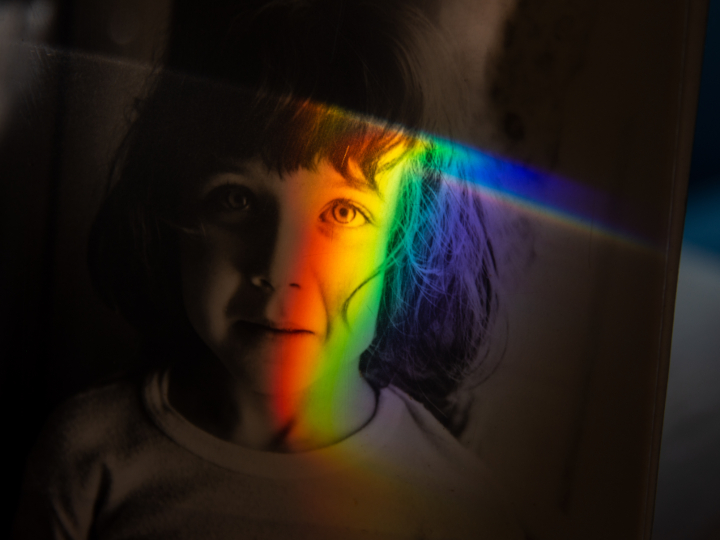
Rainbow effect on a black-and-white photograph obtained using a Newtonian prism. This photo was an Editor’s Pick for the LensCulture Portrait Awards 2024.
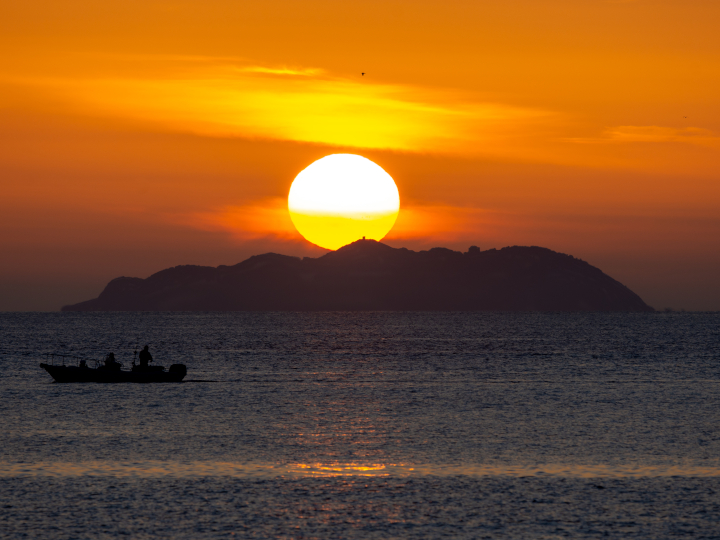
The sun sets behind the island of Gorgona, off the coast of Livorno.
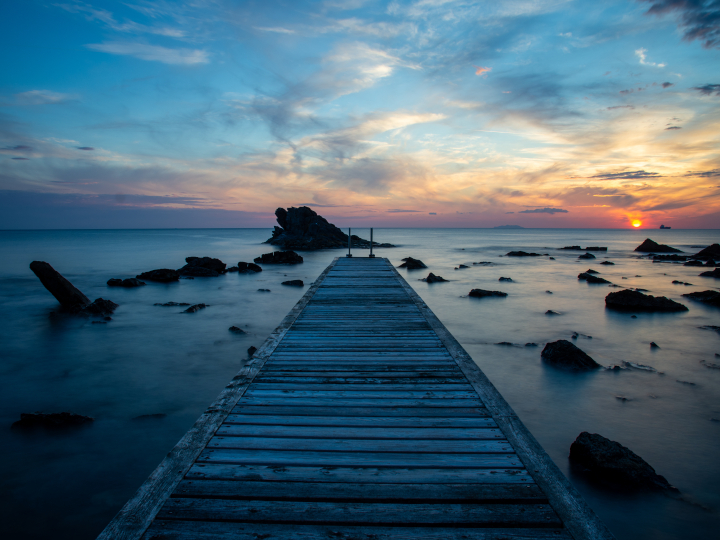
Long exposure using a tripod and an ND filter, creating a silky effect on the sea.
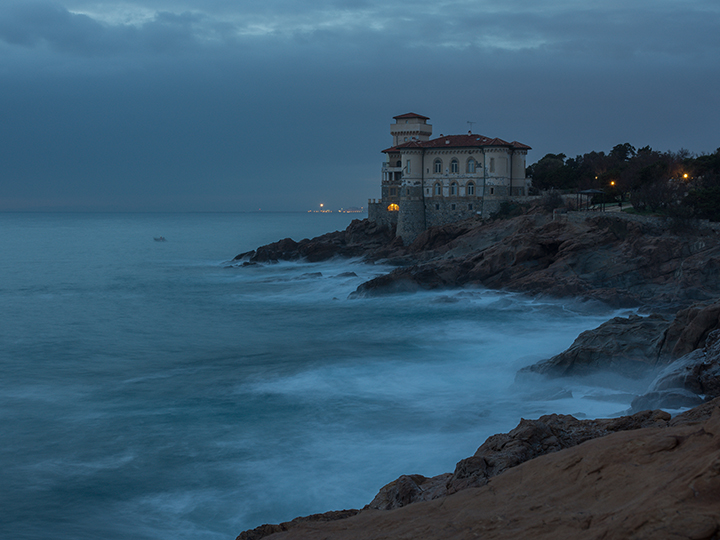
The Boccale's castle, in Livorno. This long exposition picture was taken during the so called blue hour.
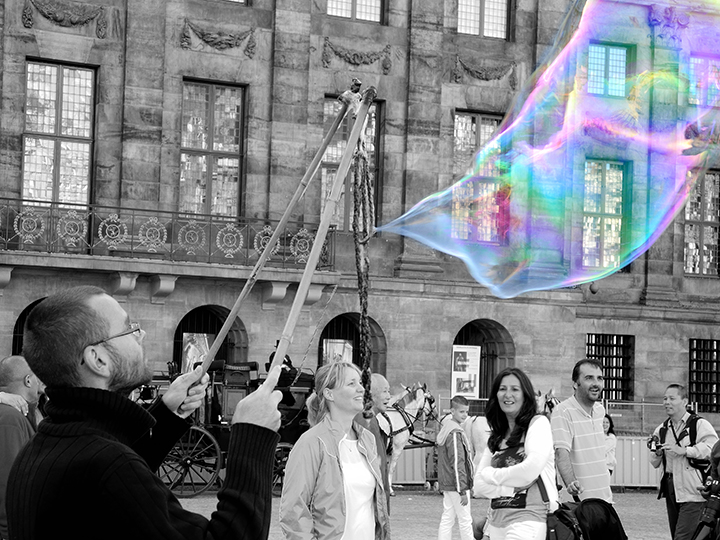
Amsterdam is a great place to take street photographs. Here, I have used the cut out technique to isolate the color of the soap bubble.
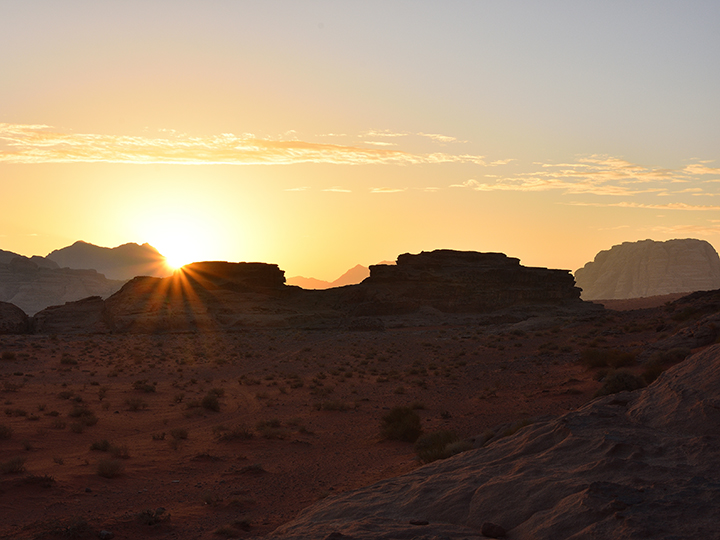
A mystical sunrise in Wadi Rum desert, Jordan, at the end of a year.
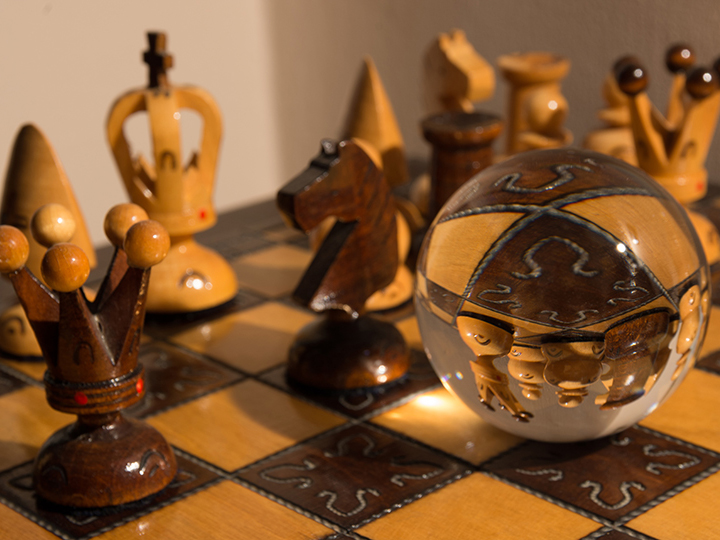
Here, I have used the focus staking technique, as well as a crystal ball, to increase the depth of field.
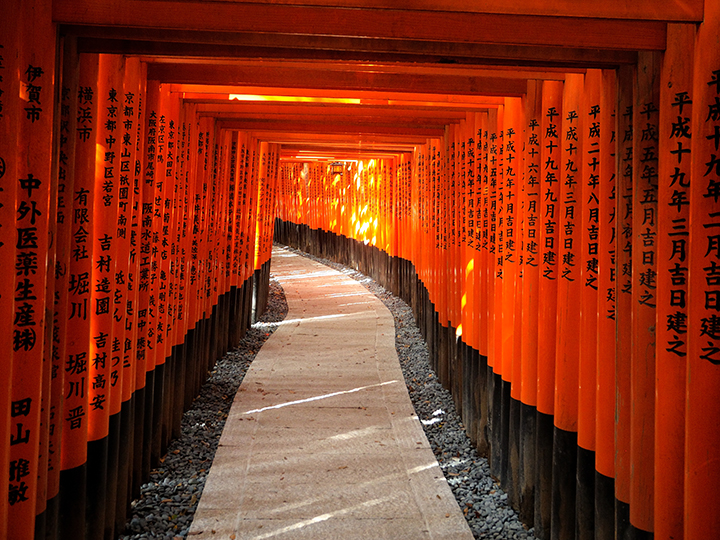
I could not visit Japan without taking this iconic picture of the Fushimi Inari shrine!
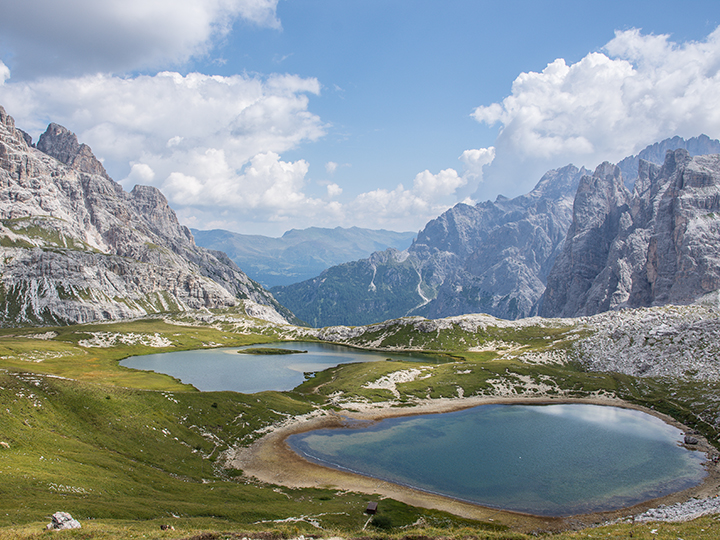
These small lakes are very close to the world famous three 'Cime di Lavaredo' mountains which are a UNESCO World Heritage site since 2009.
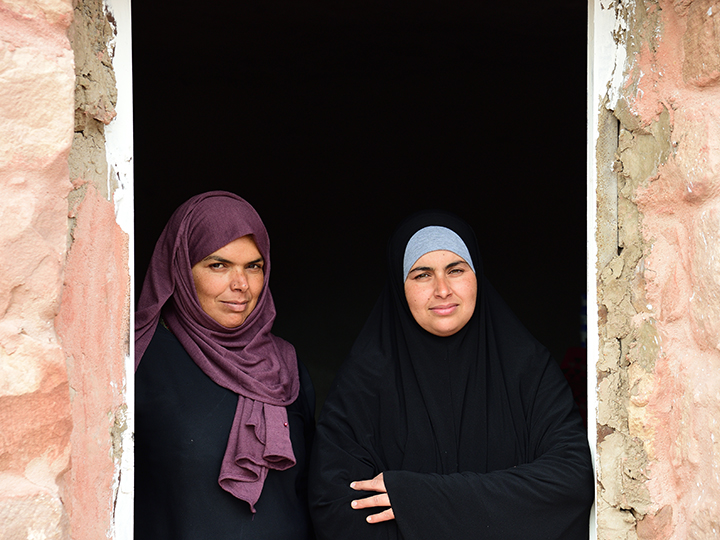
It is always better to ask the permission to take photographs in these regions, particularly for women portraits!
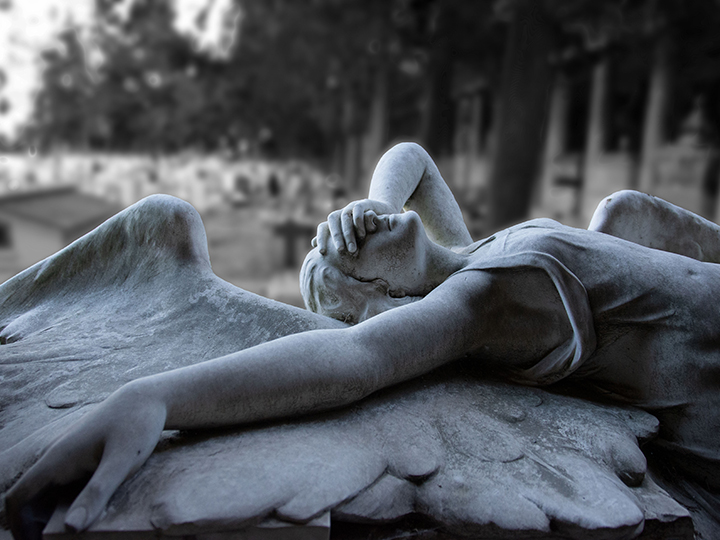
My personal retelling of the picture of the Joy Division's album cover "Love will tear us apart".
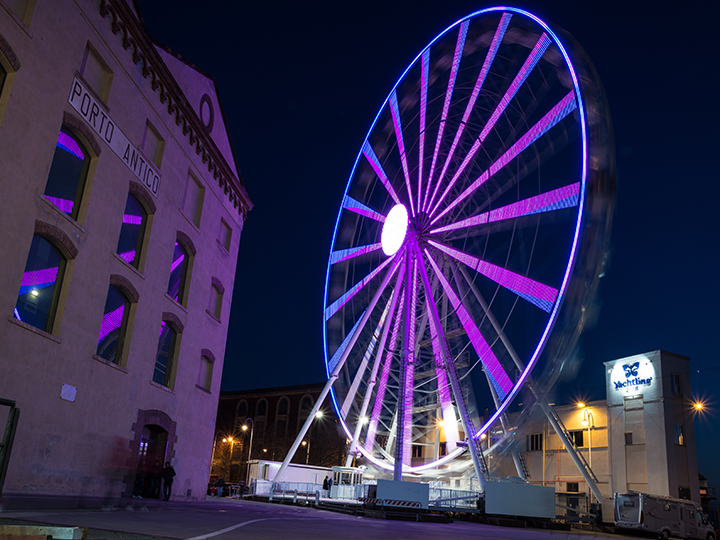
A long exposition picture of the ferris wheel at Porto Antico in Genova. I have obviously used a good tripod.